



Elon Musk, the tech visionary behind companies like Tesla and SpaceX, has always been at the forefront of cutting-edge technology. His ventures often push the boundaries of what we believe is possible, from revolutionizing electric vehicles to making space travel more accessible. Musk’s thoughts on artificial intelligence (AI) have sparked debates, with his warnings about its potential dangers making headlines for years.
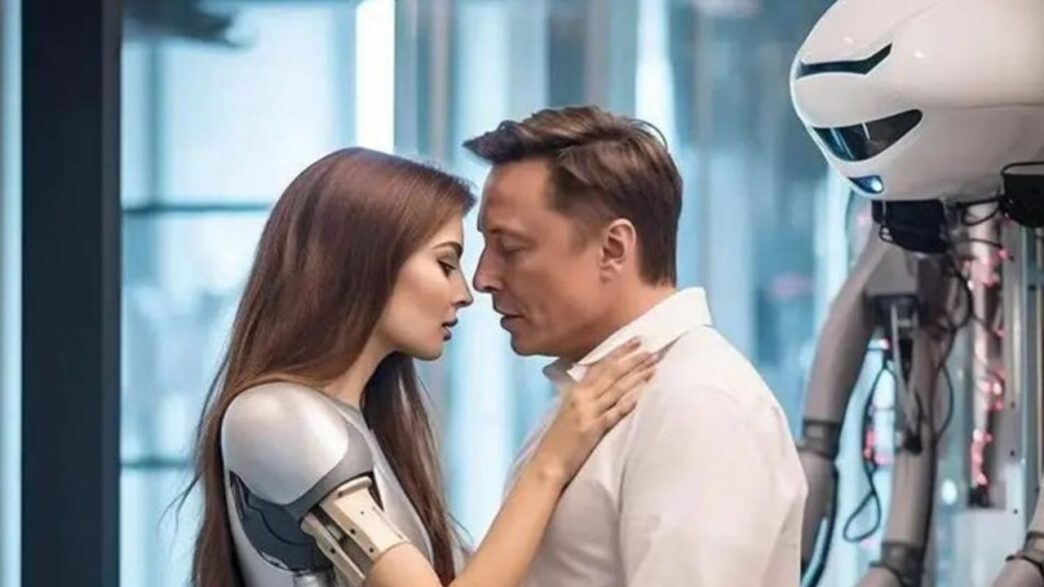
Recently, however, Musk has made headlines for a different reason: the idea of AI-powered companions, or more specifically, AI girlfriends. While the concept may seem outlandish to some, it raises important questions about the future of human relationships and the role technology will play in our emotional lives.
In this article, we’ll explore Elon Musk’s views on AI, the rise of AI-powered companions, and the potential implications for society. Is an AI girlfriend the next step in human-computer interaction, or is it a passing trend in an increasingly digital world?
Elon Musk’s Stance on AI: A Double-Edged Sword
Elon Musk has long been vocal about his concerns regarding artificial intelligence. In fact, he’s one of the most prominent tech figures to warn about the potential risks AI could pose to humanity. Musk has referred to AI as humanity’s “biggest existential threat” and has advocated for regulatory oversight to ensure that AI development doesn’t spiral out of control.
Despite his concerns about the dangers of AI, Musk’s companies are heavily involved in developing AI technologies. Tesla’s self-driving cars and SpaceX’s mission to build a sustainable human presence on Mars both rely on advanced AI systems. Musk has also founded Neuralink, a company focused on developing brain-computer interfaces, which could enable humans to interact directly with AI.
This duality in Musk’s stance on AI—warning of its dangers while simultaneously pushing forward AI innovation—adds an interesting layer to the conversation about AI companions, including AI girlfriends. On one hand, AI can offer immense benefits, improving the quality of life, enhancing productivity, and enabling new forms of human-computer interaction. On the other hand, unchecked AI development could lead to unforeseen consequences, especially in the realm of human emotions and relationships.
The Rise of AI Companions
The idea of AI-powered companions is not a new one. Over the past few years, AI companions have gained popularity in various forms, from chatbots to virtual assistants. These companions are often designed to simulate conversation, provide emotional support, and even mimic aspects of a human relationship.
In 2016, the AI chatbot Replika gained significant attention for its ability to provide users with a personalized, emotionally intelligent companion. Replika uses machine learning algorithms to learn about its user’s preferences, emotional states, and communication style, creating a unique relationship dynamic.
Another example is AI-powered dating apps, which use algorithms to match users with compatible partners based on their preferences and personalities. These apps, while not providing an “AI girlfriend” per se, are moving in a direction where AI is becoming an integral part of the dating process.
However, the concept of an AI girlfriend—an emotionally intelligent, interactive, and personalized companion powered by AI—pushes the envelope even further. Unlike a traditional chatbot or virtual assistant, an AI girlfriend would go beyond simple conversations, potentially offering companionship, affection, and a level of intimacy that mimics human relationships.
The Technology Behind AI Girlfriends
The development of AI girlfriends is rooted in several technologies working together. These include:
- Natural Language Processing (NLP):
- NLP enables AI systems to understand and generate human language. Through NLP, an AI girlfriend could engage in meaningful conversations, understanding nuances, emotions, and context. This allows the AI to respond in a way that feels natural and relatable, a key aspect of creating an emotional bond.
- Machine Learning:
- Machine learning algorithms allow AI companions to adapt and learn from their interactions with users. Over time, the AI would improve its responses, adjust its personality traits, and become more attuned to the user’s needs and preferences.
- Voice Recognition:
- AI-powered companions can use voice recognition technology to interact more seamlessly with users. By incorporating voice input and output, the AI can engage in a two-way conversation, mimicking the dynamics of a human relationship.
- Facial Recognition and Emotional AI:
- Some AI companions could even use facial recognition or emotional AI to read the user’s expressions and adjust their responses accordingly. This technology allows the AI to gauge emotions, such as happiness or sadness, and respond with empathy or concern.
- Robotics (Optional):
- In the future, AI girlfriends may not just exist as virtual companions but as physical robots. Advances in robotics, combined with AI, could create lifelike robots that mimic human actions, expressions, and movements, making the experience more immersive.
These technologies, when combined, could result in a highly personalized and engaging AI companion capable of offering companionship, conversation, and even emotional support.
The Ethics of AI Companions: What Are the Risks?
While the idea of an AI girlfriend may sound futuristic and even appealing to some, there are significant ethical considerations that need to be addressed. The development of AI companions brings up several important questions about the nature of relationships, consent, and human interaction with machines.
1. Emotional Dependency:
One of the primary concerns is the potential for emotional dependency. As AI girlfriends become more lifelike and emotionally intelligent, there’s a risk that users may become overly reliant on their AI companions for emotional support, isolating themselves from real human connections. Could AI companions create a world where people choose artificial relationships over real ones?
2. Consent and Autonomy:
Another ethical concern is the concept of consent. AI companions, by their nature, are programmed to interact with users in specific ways, and their actions are determined by algorithms. This raises questions about the autonomy of AI systems and whether a machine can truly consent to a relationship or interaction. What happens if an AI companion develops a personality that feels “real” to users but is ultimately controlled by a set of pre-defined rules?
3. Privacy and Data Security:
AI companions require a significant amount of data to function effectively. They need to understand user preferences, emotions, and behavior patterns, which means they gather and process personal information. This raises concerns about data privacy and security. How is this data being stored, and who has access to it? Could AI companions become tools for manipulation or exploitation?
4. Psychological Impact:
The psychological impact of AI companions is another area of concern. If AI girlfriends are designed to be emotionally intelligent and provide companionship, could they reinforce unhealthy relationship dynamics? For example, could people use AI companions to escape real-world challenges or to avoid addressing personal issues?
The Future of AI in Human Relationships
While the concept of AI girlfriends may seem like science fiction, the reality is that AI is already playing a significant role in shaping human relationships. Virtual assistants like Siri, Alexa, and Google Assistant have already become integral parts of daily life, helping with tasks and providing a sense of connection. AI-powered chatbots are being used in customer service, while AI algorithms are shaping online dating and social media interactions.
Looking ahead, AI could transform how we view relationships, intimacy, and companionship. Instead of replacing human relationships, AI could serve as a tool to enhance them, helping people connect more deeply or providing companionship for those who are isolated or lonely.
However, as AI companions evolve, society must approach their development thoughtfully, ensuring that ethical considerations are addressed and that technology is used to enhance human relationships rather than replace them.
Conclusion
Elon Musk’s comments about AI and its role in society have always sparked debates, but the idea of AI-powered companions, such as AI girlfriends, adds a fascinating layer to the discussion. While AI can undoubtedly offer benefits in terms of companionship and emotional support, it also raises critical ethical concerns that need to be addressed. As technology continues to advance, it’s essential to find a balance between innovation and responsible development, ensuring that AI serves to improve human lives without compromising our fundamental values.
The future of AI relationships is still uncertain, but one thing is clear: the line between human and machine will continue to blur, creating new possibilities—and challenges—in the world of technology and human connection.