


Assigning a domain to hosting is the significant first step in launching a website. That means your guests can type in the simple domain name rather than a ridiculous IP address and find their way to you. Whether you’re generating a personal blog or a business website, learning the process of how to connect domain name with web hosting is one way of giving your site an efficient performance and finding it on the internet.
Introduction To Connect Domain Names And Hosting
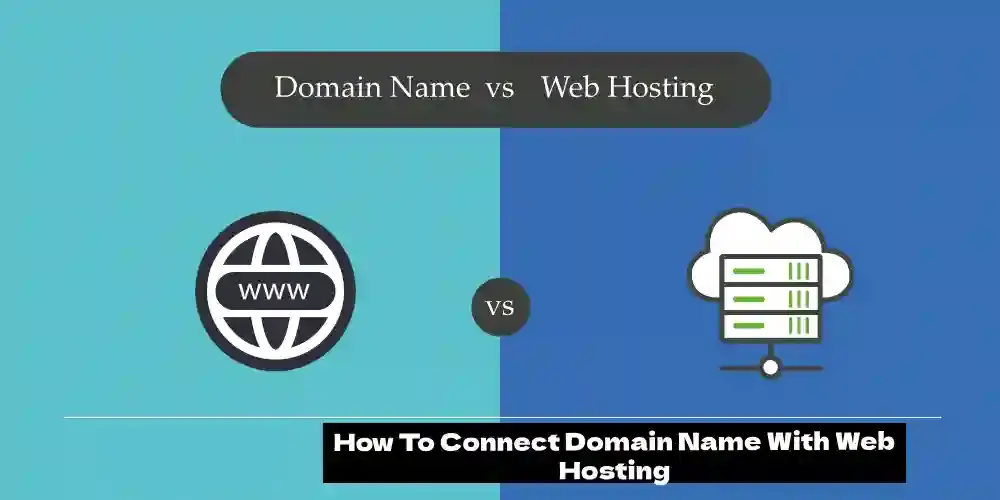
We can’t connect them together until you understand what domain names and web hosting are. It’s been a bee in my bonnet that it seems impossible to move; until now, because I have finally switched hosts! example. com. Web hosting, though, is the service that actually stores your website’s files and offers them for viewing by connected users visiting the site on the internet.
When combined with hosting, all you’re doing is associating the address or domain name that you’ve entered to an address which can be stored (in simple terms), at a particular location or in basic form, an IP Address. That way people can visit at the name and your website comes up when they type in their browser.
Part 1: Establish a Domain Name Step 1: Select and Register a Connect Domain Name
The crucial step in attach domain to hosting is first you have to register your domain. You may register the domain with e.g. godaddy, namecheap or google domains. Choose a domain that reflects your business or philosophy.
If you cannot find a domain, consider the following:
- Keep it short and memorable.
- Avoid numbers and hyphens.
- Choose a domain extension (. com,. net,. org) relevant to your site.
Find a domain that’s available When you find an available domain name, purchase it from the registrar and save your login information.
Step 2: Choose a web host Step two is choosing where you will actually build your website.
It’s now left for you to decide on a reliable web hosting service. There are plenty of other options, like Bluehost, SiteGround and HostGator offering different types of hosting plans. When choosing a provider, consider:
- Server uptime and speed.
- Customer support availability.
- Pricing and renewal costs.
- That kind of stuff, you know? Like, SSL certs and backups.
After you select a plan and sign up, you’ll be invited to use your web hosting control panel — assuming your host has one (most charge-crazy hosts do).
Step 3: Get Name Servers from Your Hosting Provider
You would need to update the name servers for your domain so that it is pointed/using our Web hosting. Name servers are the ones that you assign to inform the internet where the file for your website is held.
Your host may give you two or more and it usually looks a little like:
- ns1.yourhostingprovider.com
- ns2.yourhostingprovider.com
These name servers are available in your hosting account dashboard or welcome email.
Step 4 – Change the Connect Domain Name Servers at Your Registrar
You can now log into your domain registrar account from where you bought the connect domain name. Look for something like “Manage DNS,” “Name Servers” or “Domain Settings.” Replace the default name servers with your web host’s.
After updating, save the settings. You can spread this update anywhere from a few minutes to 48 hours around the world.
5: Upload you website files to your webhost server
Once the name servers are in, you can up load files for your web site to the new hosting server, AFTERNIC added. One of the following ways perhaps:
- File Manager: You will likely have access to a file manager with nearly every cpanel.
- FTP Client You can upload files from your local machine to a server using the software like FileZilla.
- Website Builder: Some hosts offer website builders for those who don’t want to design their own.
Use “index. html” or “index. php” so the server recognizes it as the homepage.
Step 6: Check if your website is connected.
Just wait your DNS changes propagating and come to your browser and visit your connect domain name. All going well, your site should load.
If the page does not load, refresh your browser to try again. You might want to see if:
- Your file was uploaded to the correct folder (public_html by default).
- The nameservers were updated as expected.
- Your hosting account is not yet activated.
More Tips for connecting Connect Domain Name. Now I’m going to add some bonuses that you will need to remember when connecting a connect domain name with web hosting.
Use DNS Management Tools
Some domain registrars have DNS management tools that will also allow you to manage A, CNAME, MX, and TXT records. This is very flexible, such as connecting services or creating email.
Consider Using CDN and SSL
For speed and security, connect connect domain name a CDN service such as CloudFlare and an SSL certificate. And hosting companies for the most part are even giving out FREE SSL using Let’s Encrypt.
Protect Domain and Hosting Accounts
Use complex passwords and try enabling 2 factor authentication on both your domain registrar and hosting account(s).
Renew Your Services on Time
Keep track of your domains and when they expire so you don’t have an outage.
Issues You May Encounter While Pointing Your Domain To Web Host
- Propogation Delays: Changes to DNS can takes 48-72hrs, so if you update your settings and clicks still look the same, don’t worry.
- Incorrect Name Servers: Verify each time you add your name servers that there were no errors.
- Expired Domain or Hosting: Ensure both are activated.
- Wrong Folder Upload: Make sure you place them in the right uploading folder.
Why Should You Connect Domain Name To Web Hosting?
When you connect domain name to web hosting, you’re ready for any and all visitors who may be browsing the entire world wide web. And it provides you with a professional web presence, rather than just a generic address such as long. blogspot. com. A good connection lets you know that your users can navigate around your site at ease.
Benefit of a Good Domain Hosting Combination in your SEO efforts
The perfect dash domain and good hosting may be key to your SEO success. Here is how:
- Faster server responses equals faster page loads, and faster rank on search engines.
- Get a Safe HTTPS (SSL) Connection Builds trust and add credibility in search engines.
- A great domain structure protects you from duplicate content and shitty redirects that destroys your SEO.
Summarizing What you Learned – Configuring a Connect Domain name to Hosting Service combination
It may sound technical to connect a domain name and web hosting, but not when you break things down. Your website is required to go online and be accessible for all; that’s the important thing.
To recap:
- Register your domain name with a trusted registrar.
- Choose appropriate web host according to your need.
- You change the name servers for your domain to those of your hosting server.
- Upload your website files correctly.
- Learn How to connect or Extract here.
If you follow these steps, then your website should work as intended and visitors won’t have any issues finding you on the web!
By maintaining your domain and hosting well managed, it results in the grow of your site more professionally able to reach out to people (either users/consumers, businesses or couldn´t-be-more-thirsty-for-content readers) depending on what you are after.